 English
 Suomi
Suomi
 Latviešu
 Русский
 Lietùvių
 Eesti
Eesti
 Polski
The historic importance of diesel engines in Europe cannot be overstated. At their peak in the 2010s, diesels made up more than 50 percent of new car sales. Of course, that was just before the Volkswagen Group’s messy scandal, which, in hindsight, probably marked the beginning of the end. Sales never bounced back, and it’s been downhill ever since. In 2017, gasoline cars outsold diesels for the first time since 2009, according to data from the European Automobile Manufacturers Association. Fast-forward to 2021, when self-charging hybrids outsold diesels in Europe for the first time. A year later, purely electric cars were in higher demand than diesel-powered vehicles, marking the first time on the continent. In 2025, the diesel engine’s decline continues as it falls to fourth place. Plug-in hybrids hold a 9.4-percent market share over the first ten months of the year. Through October, diesels accounted for only 8 percent of total new car sales across the 27 EU countries, as well as Iceland, Liechtenstein, Norway, Switzerland (EFTA), and the UK. As you can imagine, the shift in popularity between diesel vehicles and plug-in hybrids didn’t happen overnight. By the end of the second quarter of 2025, plug-in hybrids were already more popular than diesel cars among new car buyers. The gap will likely continue to grow in the final two months of the year, and it’s hard to see diesel vehicles ever regaining a top spot. How did this happen? Several factors have led to the dramatic decline of the diesel engine. Strict emissions regulations have pushed car manufacturers toward hybrids, plug-in hybrids, and electric vehicles. This shift has been detrimental to diesels, which are now mostly missing from the small-car market. The days when you could buy a Volkswagen Polo or Renault Clio with a diesel engine are long gone. Adding further pressure on the diesel engine are significant incentives for electric vehicles, encouraging buyers to switch to hybrids and fully electric cars. Eco-friendly vehicles also usually enjoy lower taxes, providing yet another reason why the once-dominant diesel is declining. It’s also worth noting that gasoline engines continue to get more efficient, further narrowing the gap with diesels. Naturally, VW’s emissions-cheating devices only sped up the decline. On top of that, the EU’s ongoing effort to reduce fleet emissions, leading to the 2035 ban on new ICE cars, has further hurt diesel sales. Meanwhile, hybrids now account for more than a third of new car registrations in the EU+EFTA+UK region during the first ten months of the year. With a 34.7 percent market share, hybrids are well ahead of gasoline cars (26.9 percent) and electric vehicles (18.3 percent). Looking ahead, the growth of electric cars is likely to continue, driven by an influx of affordable Chinese imports and new models from established automakers. Renault has just launched a stylish Twingo, and VW will introduce an ID. Polo next year before releasing an entry-level model in 2027.

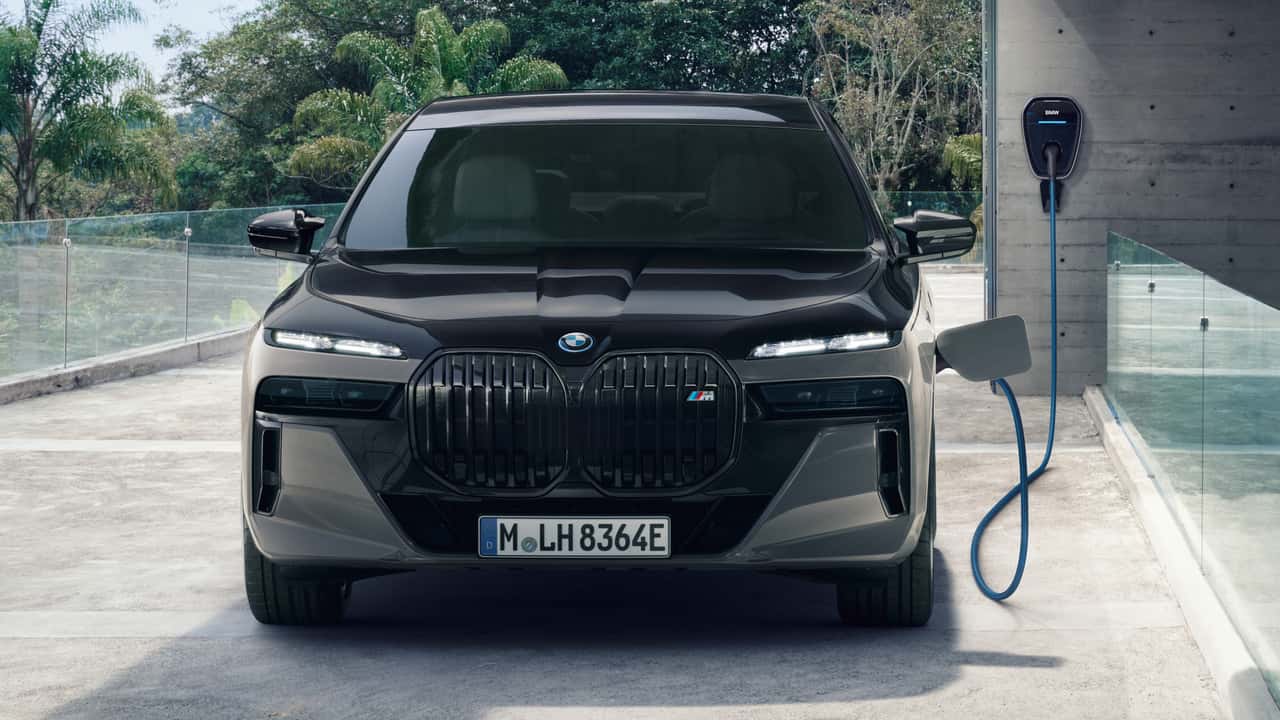
For the first time ever, plug-in hybrids are outselling diesel cars in Europe
Created Date: 29 Nov 2025