 English
 Suomi
Suomi
 Latviešu
 Русский
 Lietùvių
 Eesti
Eesti
 Polski
With the European Union pressuring automakers to cut emissions, the diesel engine is slowly disappearing. Its market share has dropped from over 50 percent before the Dieselgate scandal to just eight percent in the first ten months of this year. This puts diesel in fourth place among types of drivetrains, far behind hybrids, gasoline, and even plug-in hybrids. Indeed, for the first time ever, PHEVs are selling more than diesel cars in Europe. But Audi isn’t ready to phase out the TDI just yet. The company has been selling diesel-powered cars since 1989 and even won Le Mans eight times with a TDI endurance racer. It once fitted a massive V-12 diesel into the R8 supercar, though it never went into production. Fast-forward to 2025, and there’s a new 3.0-liter V-6 with an electric twist. Debuting in the A6 and Q5, Audi’s new six-cylinder diesel combines a mild-hybrid system with an electrically powered compressor. Although Ingolstadt has previously offered 48-volt V6 diesels, this is the first time the MHEV system works together with an electrically driven compressor. The unit is installed behind the turbocharger and intercooler in the intake path. When you press the accelerator all the way down and the turbocharger has little energy to work with, the intake air is directed to the electrically powered compressor. Already compressed by the exhaust-driven turbo, the air is further pressurized before entering the combustion chamber. This results in more torque at low RPM and virtually no turbo lag. Audi even claims that the latest V6 diesel offers responsiveness comparable to a similarly powered electric car. As for output, the 3.0-liter engine produces 295 hp at 3,620 rpm and 428 lb-ft (580 Nm) from 1,500 rpm. Compared to its predecessor, the maximum boost pressure of 3.6 bar ramps up nearly a full second faster. The compressor wheel also spins about 40 percent faster, reaching 90,000 rpm in just 250 milliseconds. This results in quicker response off the line, with the car covering “about a car length more” in the first two and a half seconds. When accelerating from a stop, the mild-hybrid system provides an extra 24 hp and 170 lb-ft (230 Nm) for a short boost. Impressive numbers, but how do they perform on the road? An A6 Sedan with the V-6 diesel reaches 62 mph (100 km/h) in 5.2 seconds and has a top speed of 155 mph (250 km/h). The slightly heavier wagon takes just a tenth of a second longer. Despite having the same weight as the A6 Sedan, the Q5 is actually faster. Whether you go for the traditional SUV shape or the sleeker Sportback, both reach 62 mph in just five seconds and have the same limited top speed as the A6. As impressive as all this is, the diagram showing the complexity of the drivetrain makes us concerned that something could go wrong. But Audi says we don’t need to worry because the durability has been improved compared to the previous V6 diesel. Fuel efficiency has also increased. However, to be clear, this is not a completely new engine. The codename “EA897evo4” indicates it is the latest version of a Volkswagen Group diesel engine first introduced in 2010. It even powered some Porsche models before Zuffenhausen completely moved away from diesel after the Dieselgate scandal. In fact, the EA897 was involved in the controversy over emissions-cheating devices. Still, Audi claims this new V-6 is its cleanest yet. It can even run on hydrotreated vegetable oil (HVO), which cuts CO₂ emissions by up to 95 percent compared to regular diesel. Made from used cooking oil and agricultural by-products, HVO is already being used in diesel cars produced at Audi’s Neckarsulm and Ingolstadt plants in Germany. We would typically expect to see this engine in the A7, but the large Sportback probably wont get a next generation. The future of the A8 flagship is also uncertain. Next years Q7 and the even larger Q9 are likely to get the updated V-6 diesel.

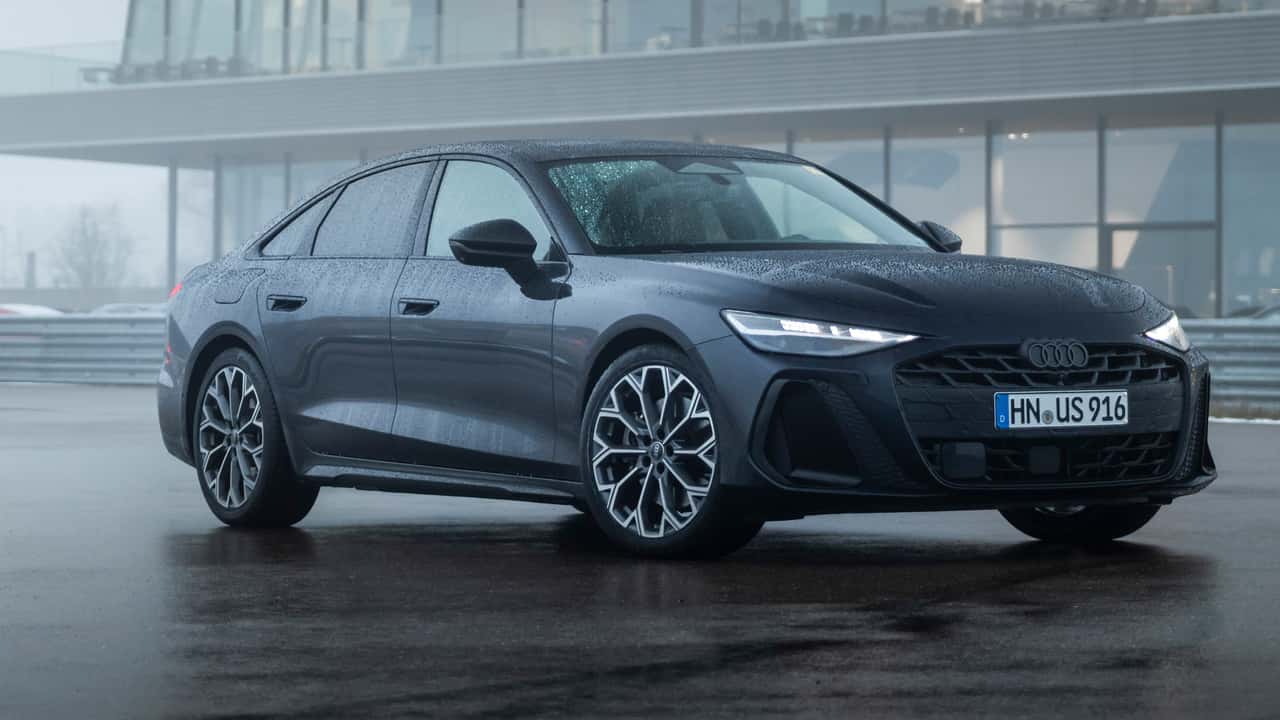
Audi Claims Its New V-6 Diesel Engine Has Zero Turbo Lag
Created Date: 29 Nov 2025